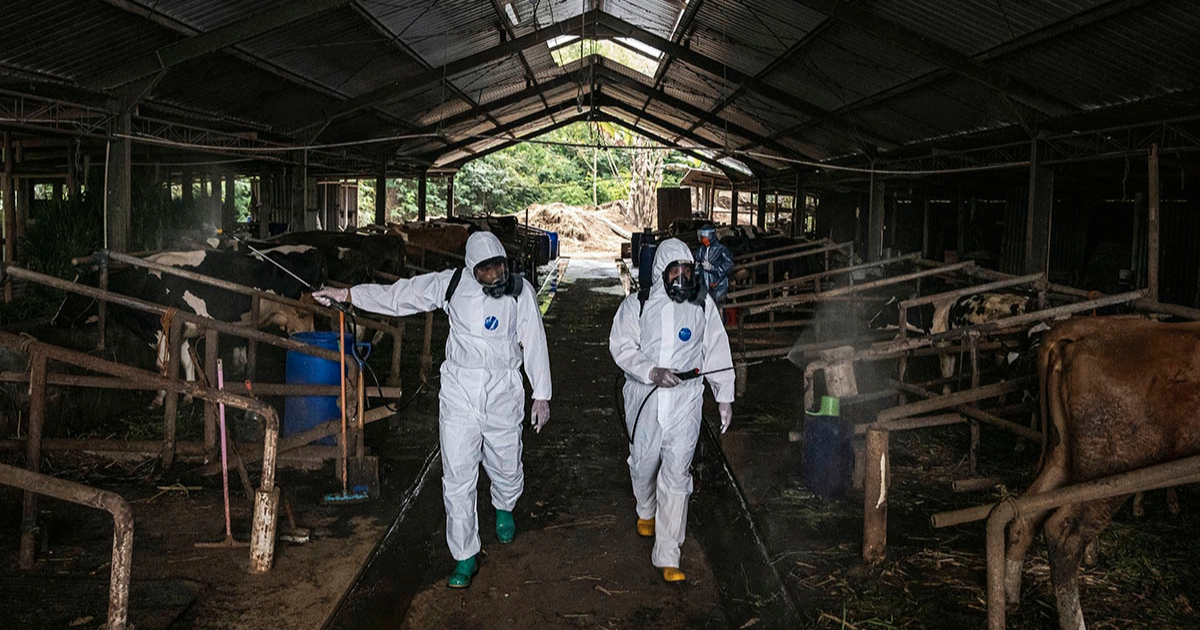

Technology-Driven Reforms for One Health Policy Formulation in Low-Income African Countries

Emphasis on technical specificity, systemic challenges, and actionable reform pathways.

One Health—defined as the collaborative, multisectoral, and transdisciplinary approach to achieving optimal health outcomes across human, animal, and environmental domains—offers a strategic framework for confronting zoonotic diseases, antimicrobial resistance, and ecosystem degradation. Yet in low-income African countries, entrenched structural limitations constrain its translation into effective public policy. Harnessing digital technologies presents an opportunity to reform policy formulation processes, but this requires targeted interventions in data systems, governance, workforce capacity, legal frameworks, and stakeholder coordination. This article examines the core technological reforms necessary to strengthen One Health policy-making in low-income African contexts.

Introduction and Context

Low-income African countries face a disproportionate burden of infectious diseases, frequent zoonotic outbreaks, constrained healthcare resources, and environmental stressors. The implementation of One Health strategies is impeded by weak governance structures, limited surveillance capacity, fragmented data systems, and inadequate cross-sector collaboration. These deficits result in delayed detection, inadequate response, and misaligned policy interventions across human, animal, and environmental health sectors.

While digital technologies such as electronic surveillance, machine learning analytics, mobile health (mHealth), and interoperable health information platforms have demonstrated value in disease monitoring and response in higher-resource settings, their systematic integration into policy formulation in low-income African contexts remains nascent. The necessary reforms must therefore address both technological adoption and the structural ecosystem that governs policy development.

Current Limitations in One Health Policy Systems

Fragmented Data and Health Information Systems

Low-income African countries often operate vertical, disease-specific surveillance programs with separate reporting tools and limited interoperability, leading to data silos that undervalue cross-sectoral insights. Fragmented systems hinder early detection of zoonotic threats where human and animal data converge. 

Weak Institutional Coordination

Governance and leadership deficits, including the absence of formal One Health platforms and ineffective stakeholder networks across ministries (health, agriculture, environment), result in redundant efforts and weak policy alignment. 

Workforce and Capacity Constraints

A shortage of skilled health informaticians, epidemiologists, veterinarians trained in digital surveillance, and environmental data analysts limits the ability to leverage modern technologies for policy analysis. 

Legal and Regulatory Gaps

Policies specific to health data governance, digital identity frameworks, and information sharing are either absent or insufficient, constraining secure and equitable use of technology in public health decision-making. 

Core Technology-Driven Reform Areas

To transition from reactive to proactive One Health policy paradigms, low-income African countries must pursue six principal reforms:

Development of Integrated, Interoperable Digital Platforms

Rationale:
Integrated digital platforms unify human, animal, and environmental health data into a common repository accessible to policy makers and analysts. Standardization of data formats and interoperability protocols is essential.

Action Steps:

  • Adopt enterprise architecture approaches that enforce unified system design and data standards, reducing fragmentation and duplication. 
  • Expand national health information infrastructure (e.g., adoption of DHIS2 for multi-sector surveillance) to capture real-time inputs from public and community sources. 
  • Establish cross-sector Application Programming Interfaces (APIs) that allow secure exchange between veterinary, environmental, and human health datasets.

Policy Impact:
This reform enhances situational awareness, strengthens risk profiling of disease emergence, and informs policy decisions with comprehensive evidence.

Application of Advanced Analytics and Machine Learning

Rationale:
Machine learning (ML) and artificial intelligence (AI) can detect patterns and forecast disease threats using large and heterogeneous data sources—beyond human analytical capacity. (ScienceDirect)

Action Steps:

  • Institutionalize analytic units within national health agencies with expertise in ML and predictive modeling.
  • Deploy AI-enabled tools for early detection of anomalies (e.g., aberrant disease trends) and risk scoring across sectors.
  • Integrate operational research models that quantify impact of policy interventions under different scenarios.

Policy Impact:
Predictive analytics accelerate evidence-based policymaking, enabling national authorities to prioritize preventive action over crisis response.

Embedded Spatial Analysis Using Geographic Information Systems (GIS)

Rationale:
GIS enables spatial mapping of disease prevalence, vector habitats, animal movement corridors, and environmental risk factors, yielding actionable insights for targeted interventions.

Action Steps:

  • Integrate GIS modules with surveillance platforms to visualize outbreaks and risk gradients at sub-national levels.
  • Train policy analysts in geospatial epidemiology to interpret maps for strategic planning.
  • Establish policies requiring geotagged reporting from field surveillance teams.

Policy Impact:
Spatial analytics inform resource allocation (e.g., vaccination zones, vector control focus areas) and the formulation of geographically tailored policies.

Strengthened Data Governance and Legal Frameworks

Rationale:
Legal frameworks underpin trust and accountability in digital ecosystems, ensuring data privacy, quality, and equitable use of health information. 

Action Steps:

  • Enact comprehensive digital health acts defining data ownership, security standards, access rights, and ethical AI use.
  • Create cross-sector data governance bodies that oversee standards across human, animal, and environmental health data streams.
  • Implement policies that mandate data anonymization and risk assessment protocols before cross-sector data integration.

Policy Impact:
Such governance frameworks accelerate digital transformation while safeguarding citizens’ rights—critical for sustainable policy formulation.

Capacity Building and Workforce Development

Rationale:
Technological reforms require investment in human capital capable of operating and interpreting digital ecosystems.

Action Steps:

  • Integrate One Health digital competencies (data science, health informatics, systems analysis) into national public health training institutions.
  • Establish continuous professional development pathways for existing health workers to upskill in digital surveillance and analytics.
  • Partner with regional technical institutes to expand access to specialized training modules.

Policy Impact:
A digitally literate workforce enhances policy analysis quality and ensures technology investments yield measurable public health returns.

Stakeholder Engagement Platforms and Collaborative Tools

Rationale:
Meaningful intersectoral policy formulation must be supported by digital platforms that facilitate dialogue, shared planning, and community input.

Action Steps:

  • Deploy collaborative digital portals where ministries, researchers, and community health workers can share insights and coordinate policy development.
  • Integrate mobile reporting tools that enable frontline practitioners to contribute real-time observations, enriching evidence bases for policy decisions.

Policy Impact:
Digital stakeholder engagement improves transparency, strengthens policy legitimacy, and promotes inclusive health governance.

Implementation Framework

A phased implementation is recommended:

  • Assessment and Planning: Audit existing systems, identify gaps, and develop a national One Health digital transformation strategy aligned with broader health priorities.
  • Pilot Projects: Implement interoperable surveillance platforms and predictive analytics pilots in select provinces to refine system design.
  • Scale-Up and Institutionalization: Expand platforms nationwide and formalize governance structures.
  • Monitoring and Evaluation: Establish indicators for data quality, policy responsiveness, and system performance.
  • Sustainability and Financing: Embed digital health budgets into national planning cycles and explore public-private partnerships for long-term support.

In low-income African countries, the transition to technology-enabled One Health policy formulation is both necessary and attainable. The integration of digital surveillance, advanced analytics, spatial mapping, robust legal frameworks, skilled human resources, and collaborative tools forms the foundation of this transformation. Such reforms will not only improve early detection and response to health threats at the human-animal-environment interface but will also strengthen overall health system resilience. Pragmatic investments in technology, supported by coherent governance and workforce capacity building, will enable low-income African states to formulate data-driven policies that are proactive, equitable, and sustainable.


Lack of Data in Public One Health Implementation and Its Impact on Policy Development in Low-Income African Countries.

The One Health approach, which integrates human, animal, and environmental health systems, is widely recognized as essential for addressing complex public health challenges such as zoonotic diseases, antimicrobial resistance (AMR), food safety threats, and climate-driven health risks. Low-income African countries are particularly dependent on effective One Health systems due to high levels of human–animal interaction, reliance on livestock-based livelihoods, weak environmental protection mechanisms, and recurrent infectious disease outbreaks. However, the practical implementation of One Health in these contexts is fundamentally constrained by persistent data deficiencies. Inadequate, fragmented, and low-quality data undermine evidence-based decision-making and significantly weaken policy development processes.

This article examines the nature of data gaps in public One Health implementation in low-income African countries and analyzes their systemic impacts on policy formulation, prioritization, and effectiveness.

The Centrality of Data in One Health Policy Development

Effective One Health policy formulation depends on timely, accurate, and interoperable data across three domains:

  • Human health (disease surveillance, morbidity and mortality data, laboratory diagnostics)
  • Animal health (livestock and wildlife disease surveillance, veterinary reporting, production systems)
  • Environmental health (land use, climate variability, water quality, ecosystem degradation)

Data enable governments to identify risks, quantify disease burden, assess transmission pathways, allocate resources, and evaluate policy outcomes. In the absence of robust data systems, policies are often reactive, poorly targeted, and inefficient.

Nature and Sources of Data Gaps in Low-Income African Countries

  • Fragmented and Siloed Data Systems

One of the most critical challenges is the fragmentation of data systems across ministries and agencies. Human health, veterinary services, wildlife authorities, and environmental agencies typically operate independent surveillance and reporting platforms with limited interoperability. This fragmentation prevents integrated analysis of zoonotic risks and obscures linkages between environmental drivers and disease emergence.

  • Weak Surveillance Infrastructure

Many low-income African countries rely on passive, facility-based surveillance systems that underreport disease events, particularly in rural and pastoralist communities where formal health and veterinary services are limited. Wildlife and environmental surveillance systems are especially underdeveloped, resulting in significant blind spots in early warning mechanisms.

  • Limited Laboratory and Diagnostic Capacity

Inadequate laboratory infrastructure limits confirmation of disease events in both humans and animals. As a result, suspected zoonotic outbreaks often remain unverified, leading to incomplete datasets and unreliable epidemiological profiles. This weakens the empirical foundation for policy formulation.

  • Inconsistent Data Quality and Standardization

Data that are collected frequently suffer from inconsistencies in case definitions, reporting formats, spatial resolution, and temporal frequency. Lack of standardized indicators across sectors prevents aggregation and comparative analysis, reducing the utility of data for policy design.

  • Underinvestment in Environmental Data Collection

Environmental health data—such as ecosystem health indicators, climate variables, land-use change, and pollution levels—are often missing or outdated. This gap severely limits understanding of upstream determinants of zoonotic spillover and undermines preventive policy development.

Impact of Data Deficiencies on One Health Policy Development

  • Weak Evidence Base for Policy Decisions

The absence of integrated and reliable data forces policymakers to rely on anecdotal evidence, external studies, or international risk models that may not reflect local contexts. This results in policies that are poorly adapted to national or sub-national realities and less effective in addressing actual risk drivers.

  • Delayed and Reactive Policy Responses

Data gaps reduce the capacity for early detection of emerging health threats. Policies are often developed only after outbreaks have escalated into crises, leading to emergency-driven responses rather than preventive or risk-based strategies. This reactive approach increases human, economic, and ecological costs.

  • Misallocation of Limited Resources

In low-income settings, public health resources are extremely constrained. Without accurate data on disease burden, geographic risk distribution, and transmission dynamics, resource allocation decisions are frequently inefficient. High-risk areas may be underfunded, while low-impact interventions receive disproportionate investment.

  • Inadequate Cross-Sector Policy Integration

One Health policies require coordinated action across multiple sectors. Data fragmentation reinforces institutional silos, making it difficult to design coherent policies that align human health, animal health, agricultural development, and environmental protection objectives. As a result, policies may conflict or operate in parallel rather than synergistically.

  • Limited Policy Evaluation and Learning

Data deficiencies also impede monitoring and evaluation of One Health policies. Without baseline data and reliable indicators, governments cannot assess policy effectiveness, identify unintended consequences, or adapt strategies over time. This weakens institutional learning and perpetuates ineffective policy cycles.

Structural Drivers of Data Gaps

  • Governance and Institutional Constraints

Weak governance frameworks limit coordination, data sharing, and accountability across sectors. In many countries, there are no formal mandates or legal instruments requiring intersectoral data integration for One Health purposes.

  • Human Resource and Technical Capacity Gaps

Shortages of skilled epidemiologists, data scientists, health informaticians, and environmental analysts constrain data generation and analysis. Existing personnel often lack training in integrated data systems and One Health analytics.

  • Financial Limitations

Data systems require sustained investment in infrastructure, maintenance, and human capacity. In low-income African countries, donor-driven, project-based funding leads to fragmented and unsustainable data initiatives that collapse once external funding ends.

  • Digital Infrastructure Deficits

Limited connectivity, unreliable power supply, and inadequate digital infrastructure in rural areas restrict real-time data collection and transmission, exacerbating reporting delays and data loss.

Policy Implications and Strategic Consequences

The lack of data fundamentally undermines the credibility, effectiveness, and sustainability of One Health policies in low-income African countries. It contributes to:

Reduced ability to attract domestic and international investment due to weak evidence frameworks

Persistent vulnerability to zoonotic outbreaks

Ineffective AMR containment strategies

Poor integration of climate and environmental risks into health planning

Risk Assessment of Healthcare Systems in Africa

Healthcare systems in Africa operate in some of the most complex and resource-constrained environments in the world. They face intersecting challenges, ranging from infectious diseases and chronic conditions to weak infrastructures, financial constraints, health workforce shortages, and deep structural inequalities. Risk assessment has therefore become a vital part of strengthening health systems and public health preparedness across the continent. Risk assessment refers to the systematic process of identifying, analyzing, and evaluating threats that could negatively affect health outcomes, service delivery, finances, or health system resilience. In the African context, it has emerged as an essential tool for predicting vulnerabilities, preventing disasters, and supporting health security.

Understanding Risk in African Healthcare Systems

Risks in African healthcare systems are multidimensional. They include biological risks such as infectious disease outbreaks, environmental challenges driven by climate change, and systemic risks such as governance failures or weak supply chains. Many countries on the continent are vulnerable to both emerging and re-emerging health emergencies, including Ebola, COVID-19, malaria, cholera, and zoonotic diseases. Health facilities are often overwhelmed even during normal demand, and shocks such as epidemics or extreme weather events can cause widespread system failure.

Risk assessment begins by recognizing that risks do not occur in isolation. They are shaped by political, economic, social, and environmental factors that interact in complex ways. For example, a cholera outbreak in a peri-urban settlement is not only a medical event; it is also driven by water scarcity, climate variability, inadequate sanitation, poor urban planning, and limited access to medical care. Strong risk assessment frameworks allow African health systems to diagnose such vulnerabilities and take preventive action.

Infrastructure and System Capacity Risks

One of the highest risks to health systems in Africa is weak health infrastructure. Many facilities lack essential equipment, modern laboratories, emergency care units, and diagnostic technology. Rural hospitals often operate with unreliable electricity, insufficient water supply, and inadequate transport connections. This compromises their ability to provide high-quality care and respond to emergencies.

The capacity for risk surveillance and early warning is uneven. While countries like South Africa, Kenya, Ghana, and Rwanda have invested in disease surveillance systems, others still struggle with delayed outbreak detection and insufficient laboratory capacity. This gap creates a risk of silent transmission and rapid escalation of epidemics. For example, delayed detection of Ebola outbreaks in West and Central Africa has repeatedly resulted in high mortality rates and large economic losses. Strengthening surveillance systems therefore remains a critical pillar of risk assessment.

Health Workforce Risks

Africa faces severe shortages of healthcare workers. The continent carries roughly 25% of the world’s disease burden but has less than 3% of the global health workforce. Many countries experience high levels of health worker migration to urban areas or foreign labor markets, resulting in staffing shortages in rural and underserved regions. Low wages, unsafe working environments, and inadequate training contribute to reduced workforce resilience. During disease outbreaks, health workers face increased risks of infection, burnout, and psychological stress.

The shortage of specialized health and public health expertise creates additional vulnerabilities. Critical areas such as intensive care, anesthesiology, emergency medicine, epidemiology, and biomedical engineering are particularly understaffed. Weak human resource planning can lead to health system collapse during shocks. Risk assessment can help identify workforce gaps and inform recruitment, retention, and capacity-building strategies.

Financial and Governance Risks

Financial constraints are a major threat to the sustainability of African healthcare systems. Out-of-pocket expenditure remains high in many countries, reducing access to care for poor households and increasing the likelihood of catastrophic health spending. Limited government health financing, reliance on donor funding, and inconsistent insurance coverage undermine long-term planning and system resilience.

Governance failures also pose serious risks. Weak regulatory capacity, corruption, poor accountability, and lack of transparency can contribute to resource misallocation. Supply chain failures are another governance issue. Many hospitals struggle with frequent stockouts of medications, vaccines, and essential supplies. These systemic weaknesses increase vulnerability to emergencies and reduce trust in health services.

Risk assessment provides tools for identifying governance bottlenecks and financial gaps. It also encourages long-term planning and creation of financial buffers that enhance system resilience.

Emerging Risks: Climate Change and Urbanization

The African continent is increasingly exposed to environmental risks driven by climate change. Extreme weather events, drought, and flooding contribute to higher incidence of vector-borne and water-borne diseases. Rising temperatures expand the geographical range of malaria-transmitting mosquitoes, while floods increase the risk of cholera outbreaks. Healthcare systems must anticipate these environmental threats and incorporate climate resilience into infrastructure and public health planning.

Urbanization is another emerging risk factor. Rapid, unplanned urban growth has created informal settlements with poor sanitation, overcrowding, and limited access to health facilities. These environments are ideal breeding grounds for infectious diseases and antimicrobial resistance. Risk assessment can help identify high-risk urban centers and guide targeted interventions.

Pandemic Preparedness and Health Security Risks

COVID-19 exposed major gaps in global and African health security. Many health systems faced severe pressure due to shortages of ventilators, oxygen supply, personal protective equipment, and laboratory capacity. However, the pandemic also triggered important reforms: improved emergency response systems, strengthened laboratory networks, digital health tools, and regional cooperation through bodies like the Africa CDC.

Risk assessment plays a central role in pandemic preparedness. It supports scenario planning, early warning systems, crisis communication, emergency stockpiling, and inter-sectoral collaboration. African countries increasingly adopt frameworks such as the International Health Regulations (IHR) to measure system readiness and identify risks before crises occur.

Risk Mitigation Strategies

Effective risk assessment is only valuable when it informs strong mitigation strategies. Several approaches are emerging across Africa:

  • Strengthening disease surveillance and early warning systems.
  • Investing in resilient health infrastructure and emergency care.
  • Enhancing human resource capacity and training health workers.
  • Improving supply chain management.
  • Increasing public health financing and access to universal health coverage.
  • Leveraging digital and mobile health technologies.
  • Strengthening governance, accountability, and regulatory systems.
  • Promoting One Health approaches that integrate human, animal, and environmental health.

These strategies reduce vulnerability and create more adaptive and resilient healthcare systems.

Conclusion

Risk assessment is no longer optional for healthcare systems in Africa. It is a prerequisite for health system strengthening, improved preparedness, and protection against emerging threats. African countries face multiple risks—disease outbreaks, workforce shortages, financial instability, weak infrastructure, climate change, and rapid demographic shifts. By identifying vulnerabilities early and implementing targeted mitigation strategies, health systems can become more resilient and responsive. Building strong risk assessment frameworks will ultimately enhance public health, promote sustainable development, and protect communities across the continent.

Economic Impacts of Zoonotic Diseases in Sub-Saharan Africa

Zoonotic diseases, those transmitted between animals and humans, represent one of the most significant and persistent threats to public health and economic development in Sub-Saharan Africa. More than 60% of emerging infectious diseases affecting humans globally are zoonotic in origin, and Sub-Saharan Africa remains a geographical hotspot for outbreaks of diseases such as rabies, Rift Valley fever, Ebola, brucellosis, bovine tuberculosis and anthrax. While the human suffering associated with these diseases often receives the most attention, their economic impacts are equally profound. Zoonotic diseases impose heavy financial burdens on health systems, disrupt agricultural productivity, reduce household income, destabilize livestock markets, restrict regional and international trade, and create long-term macroeconomic loss through reduced human capital and decreased national productivity.

Impact on Livestock Productivity and Agricultural Systems

Livestock is central to livelihoods in Sub-Saharan Africa. Across pastoral, agro-pastoral, and mixed crop-livestock systems, animals represent food security, insurance assets, and a source of income. Zoonotic diseases compromise all these functions. Diseases such as brucellosis, foot-and-mouth disease, Rift Valley fever and bovine tuberculosis reduce milk production, slow growth rates, increase mortality, and impair fertility. These conditions drastically reduce the economic value of livestock, particularly in communities where herds are the primary measure of wealth.

In many parts of the region, livestock contributes between 30% and 80% of household income. The loss of a single productive cow due to a preventable disease is equivalent to the annual income of a smallholder farmer. Outbreaks of Rift Valley fever in Kenya, Tanzania, and South Africa have triggered mass livestock deaths, temporary bans on livestock slaughter and movement, job losses for herders and traders, and major price fluctuations in meat and milk markets. The combined effects lead to lost revenue, reduced asset value, and the diminishing resilience of households to future shocks.

Public Health Expenditures and Burden on Health Systems

The economic impact of zoonotic disease extends deeply into public health spending. Treating zoonotic infections places a significant burden on already strained health systems in the region. Rabies alone costs Africa more than US$500 million each year in treatment, lost income, and livestock mortality, despite being entirely preventable. Human brucellosis requires prolonged medical care and causes chronic illness that reduces working ability. Ebola outbreaks are even more devastating: the 2014–2016 outbreak in West Africa caused economic losses estimated at over US$50 billion, much of it related to the collapse of health services, travel restrictions, reduced labor supply, and the diversion of government budgets toward crisis response.

Sub-Saharan African countries already allocate limited resources to healthcare. Zoonotic disease outbreaks often force governments to divert funds from essential health services such as maternal care, vaccination programs, and non-communicable disease management. These short-term reallocations create long-term public health costs that perpetuate cycles of vulnerability.

Impacts on Trade and Market Access

Zoonotic disease outbreaks also affect national and regional trade. Many of Sub-Saharan Africa’s economies depend on livestock exports, particularly to Middle Eastern and Asian markets. Animal health concerns can trigger trade bans, quarantine restrictions, and reduced demand. The bans on live animal exports from East Africa during outbreaks of Rift Valley fever reduced trade revenues by millions of dollars and destabilized local economies.

Even in the absence of a major outbreak, endemic zoonoses reduce the ability of African countries to meet international sanitary and phytosanitary (SPS) requirements. Weak surveillance, limited veterinary infrastructure, and poor diagnostic capacity undermine confidence in the safety of animals and animal products. As a result, African livestock producers often suffer from reduced access to higher-value export markets, limiting national income growth and competitiveness.

Labor Productivity and Human Capital Loss

Beyond health system expenditures, zoonotic diseases reduce labor productivity by causing illness and premature death among working-age populations. Many zoonotic diseases are occupational hazards for farmers, meat processors, veterinarians, traders, abattoir workers, and wildlife handlers. Brucellosis, anthrax, rabies, and leptospirosis lead to chronic disability, prolonged absenteeism, and reduced physical capacity. When primary breadwinners fall sick, household income declines sharply.

This dynamic contributes to the cycle of poverty: families sell livestock, withdraw children from school, or take on high-interest borrowing to pay for treatment. In pastoral and rural communities, labor shortages translate into reduced agricultural production, lower household consumption, and reduced investment in long-term economic opportunities. Human capital loss is among the most significant but least measured economic costs of zoonotic diseases.

Macroeconomic and Developmental Consequences

At the macroeconomic level, zoonotic diseases influence national development trajectories. Outbreaks disrupt tourism, foreign investment, and public confidence in government institutions. During Ebola outbreaks, hotel occupancy, regional flights, commercial trade, and cross-border business activity dropped abruptly. Fear and uncertainty cause economic contraction regardless of direct disease transmission.

Furthermore, zoonotic diseases delay structural transformation of agricultural and livestock value chains. Smallholder farmers, who dominate the livestock sector, often have limited access to vaccines, diagnostics, extension services, and disease control programs. This constrains productivity, limits commercialization, and reinforces subsistence-level farming, thereby slowing economic transition from rural to industrial development.

Community-Level and Household Economic Impacts

At the household level, zoonotic disease generates multiple simultaneous burdens: the cost of treatment, loss of labor, livestock mortality, reduced productivity, and reduced access to markets. Families are forced to redirect income from education and food to medical care or livestock replacement. The poor are disproportionately affected because they have fewer coping strategies, more exposure to animals, and limited access to veterinary and medical services.

Women, who play a central role in small livestock production and food preparation, face heightened risk of exposure to zoonotic pathogens. The gendered nature of the livestock economy means that zoonotic disease impacts often magnify gender inequality, with long-term implications for community welfare and economic growth.

The Importance of One Health Approaches

Given the interconnected nature of human, animal, and environmental health in the region, addressing the economic burden of zoonotic disease requires a One Health approach. Investments in veterinary public health, wildlife health management, efficient surveillance systems, and cross-sectoral collaboration are far less costly than the economic losses associated with major outbreaks. Studies consistently show that preventative interventions—such as mass dog vaccinations to control rabies, improved laboratory capacity, and timely vaccination of livestock—yield high economic returns.

Public-private partnerships, community outreach, and regional coordination are also essential. Disease outbreaks do not respect national boundaries; therefore, coordinated control measures reduce regional trade disruptions and generate shared economic benefits.

Conclusion

Zoonotic diseases remain a major but preventable economic burden in Sub-Saharan Africa. Their impacts extend far beyond human health to agriculture, livestock productivity, trade, labor markets, household income, national budgets, and long-term development. Strengthening veterinary services, improving public health systems, investing in disease surveillance, and adopting One Health strategies are among the most cost-effective ways to protect both public health and economic stability. The region’s future growth and poverty reduction efforts depend significantly on its ability to anticipate, manage, and prevent zoonotic disease threats.

Management of Funding in Administration of Public Health Funds: A Key Pillar in Governance

The management of public health funds is critical for the sustainability, efficiency, and effectiveness of public health systems. These funds are the backbone of health programs, policies, and interventions, directly impacting the well-being of populations. However, mismanagement or inefficiencies in allocating and administering public health funds can undermine trust in governance and the efficacy of health initiatives. This article explores the core principles, challenges, and strategies for managing public health funds, emphasizing their significance in governance.


The Role of Public Health Funding in Governance

Public health funding enables governments to provide essential health services, address emergencies, and build resilient health systems. Effective governance ensures these resources are utilized equitably and transparently to achieve desired outcomes. The key areas funded by public health budgets include:

  • Disease Prevention and Control: Vaccination campaigns, public awareness programs, and infectious disease monitoring.
  • Infrastructure Development: Construction and maintenance of hospitals, laboratories, and community health centers.
  • Health Workforce Management: Recruitment, training, and retention of health professionals.
  • Emergency Preparedness and Response: Handling epidemics, pandemics, and natural disasters.
  • Health Research and Innovation: Advancing medical research and developing innovative health solutions.

Governance frameworks ensure that funds allocated for these areas are used responsibly and effectively, minimizing wastage and maximizing the return on investment in terms of population health.


Key Principles of Effective Fund Management in Public Health

  1. Transparency
    Transparency involves clear communication about the sources, allocation, and utilization of funds. Publicly accessible reports, regular audits, and adherence to financial regulations foster accountability.
  2. Equity
    Equitable distribution of funds ensures all population segments, particularly vulnerable and underserved groups, have access to health services.
  3. Efficiency
    Efficient fund utilization minimizes waste, eliminates redundancies, and directs resources to areas of greatest need, ensuring optimal outcomes.
  4. Accountability
    Establishing robust mechanisms for tracking and reporting expenditures helps hold stakeholders accountable for the judicious use of public health funds.
  5. Sustainability
    Sustainability focuses on long-term planning, ensuring that funding sources are stable and that resources are used in a manner that supports future health system needs.

Challenges in Managing Public Health Funds

  1. Inadequate Funding
    A common issue in many countries is the chronic underfunding of public health programs. Limited budgets force governments to make tough choices, often sacrificing long-term goals for immediate needs.
  2. Corruption and Mismanagement
    Corruption can drain resources away from intended programs, eroding public trust and compromising health outcomes. Mismanagement, whether intentional or due to lack of expertise, exacerbates inefficiencies.
  3. Lack of Data and Monitoring Systems
    Without reliable data, it is challenging to track how funds are used or to assess the impact of spending. Weak monitoring systems create opportunities for fund misuse.
  4. Bureaucratic Delays
    Lengthy bureaucratic processes can delay the release and utilization of funds, hindering timely implementation of health programs.
  5. Inequitable Distribution
    Funds are sometimes disproportionately allocated to urban centers, leaving rural and marginalized populations underserved.
  6. External Dependencies
    Reliance on donor funding can create instability, especially when funds are tied to conditions or subject to withdrawal based on geopolitical considerations.

Strategies for Effective Management of Public Health Funds

  1. Strengthening Governance Frameworks
    A strong governance framework is essential for effective fund management. This includes clear policies, roles, and responsibilities for stakeholders involved in the allocation and utilization of public health funds.
  2. Implementing Robust Financial Systems
    Modern financial systems leveraging technology can improve transparency, tracking, and accountability. Digital payment systems, for example, can ensure funds reach intended beneficiaries directly.
  3. Capacity Building
    Training and development for personnel involved in financial management can reduce errors and improve the overall efficiency of fund administration.
  4. Community Participation
    Engaging communities in budget planning and monitoring ensures funds are aligned with local needs and reduces the likelihood of mismanagement.
  5. Regular Audits and Evaluations
    Independent audits and impact evaluations provide insights into fund utilization, helping identify inefficiencies and areas for improvement.
  6. Diversifying Funding Sources
    Relying on diverse funding sources, including domestic revenue generation, public-private partnerships, and international grants, can enhance financial stability.
  7. Real-Time Monitoring and Reporting
    Leveraging technology to enable real-time tracking of expenditures enhances transparency and responsiveness.

Addressing Corruption Proactively

Implementing anti-corruption measures, such as whistleblower protections, strict penalties, and regular oversight, is crucial for safeguarding public health funds.


Conclusion

The management of public health funds is a cornerstone of effective governance. By adhering to principles of transparency, equity, efficiency, accountability, and sustainability, governments can maximize the impact of health funding and build public trust. Addressing challenges such as inadequate funding, corruption, and inequitable distribution requires innovative solutions, robust governance frameworks, and active community involvement.

As the global health landscape continues to evolve, particularly in the wake of challenges like pandemics and climate change, effective management of public health funds will remain a top priority. Strengthening governance mechanisms will not only ensure better health outcomes but also reinforce the social contract between governments and their citizens, laying a foundation for resilient and equitable health systems.

Sustainability of Public Health Administration and Governance Systems

Sustainability in public health administration and governance involves the ability to maintain effective, equitable, and resilient systems that meet present and future health needs. As public health faces growing challenges, such as pandemics, climate change, aging populations, and economic inequality, sustainability becomes a critical pillar for ensuring long-term success and resilience in health systems worldwide.


1. Understanding Sustainability in Public Health Governance

Sustainable public health governance aims to balance immediate health priorities with the long-term needs of populations. This requires:

  • Effective Leadership: Strong leadership ensures that health strategies align with population needs and emerging challenges.
  • Resilient Systems: Systems must adapt to crises, such as pandemics or natural disasters, without compromising service delivery.
  • Equity and Inclusion: Addressing disparities ensures all population groups benefit from health initiatives.
  • Environmental Stewardship: Public health governance must consider environmental impacts, as ecological health is deeply intertwined with human health.

2. Key Principles of Sustainable Public Health Administration

The following principles are central to building sustainability in public health governance:

  • Intersectoral Collaboration: Effective public health governance integrates efforts across sectors like agriculture, education, and transportation to address social determinants of health.
  • Community Engagement: Sustainable systems involve communities in decision-making, fostering trust and ensuring culturally relevant interventions.
  • Data-Driven Decision-Making: Reliable data informs evidence-based policies and resource allocation.
  • Capacity Building: Investing in workforce training and infrastructure strengthens system resilience.
  • Accountability and Transparency: Governance structures must be accountable to ensure public trust and efficient use of resources.

3. Challenges to Sustainability

Sustaining public health systems is fraught with challenges:

  • Resource Constraints: Limited financial and human resources strain systems, particularly in low- and middle-income countries (LMICs).
  • Fragmented Governance: Lack of coordination between agencies and sectors weakens response efforts.
  • Political Instability: Frequent policy changes and lack of long-term vision hinder sustainability.
  • Global Health Threats: Pandemics, climate change, and antimicrobial resistance (AMR) stress public health systems, demanding rapid adaptations.

4. Innovations for Sustainable Governance

To address these challenges, innovative approaches are being integrated into public health governance systems:

a. Digital Health Technologies

  • Health Information Systems: Digital platforms improve data collection, storage, and analysis, enabling efficient monitoring of disease trends and resource allocation.
  • Telemedicine: Remote healthcare delivery reduces pressure on physical infrastructure while expanding access to underserved populations.
  • Artificial Intelligence: Predictive models guide decision-making in areas like outbreak response and health policy planning.

b. Public-Private Partnerships (PPPs)

Collaborations between governments, NGOs, and private enterprises bring additional resources and expertise to public health initiatives. For instance, PPPs have been pivotal in vaccine development and distribution during the COVID-19 pandemic.

c. Decentralization of Health Systems

Empowering local governments and communities allows for tailored solutions that address specific health challenges. Decentralized systems often respond more effectively to local outbreaks or health disparities.

d. Climate-Resilient Health Systems

Integrating climate adaptation into public health governance ensures systems are prepared for health impacts such as heatwaves, vector-borne diseases, and water scarcity. For example, early warning systems for climate-sensitive diseases help mitigate their impacts.

e. Health Equity Frameworks

Targeted policies to reduce health disparities among marginalized groups enhance system sustainability. Universal health coverage (UHC) is a foundational goal in this regard, ensuring all individuals have access to essential health services.


5. Case Studies

a. Rwanda’s Community Health Worker Program

Rwanda’s investment in community health workers has significantly improved health outcomes. By decentralizing health services and training local workers, the program ensures sustainability through community ownership and cost-effective delivery.

b. Scandinavian Countries and Preventive Health

Scandinavian public health systems prioritize preventive care, reducing the long-term burden on healthcare systems. Policies promoting healthy lifestyles, universal healthcare, and environmental sustainability ensure long-term health equity.

c. Pandemic Response: Lessons from COVID-19

The COVID-19 pandemic underscored the importance of sustainable governance. Countries with robust health infrastructures and integrated governance—such as South Korea and New Zealand—were better equipped to respond. Key strategies included digital health integration, community compliance, and transparent communication.


6. Measuring Sustainability in Public Health Governance

Developing metrics for sustainability is critical for accountability and improvement. Indicators include:

  • Health Outcomes: Mortality rates, life expectancy, and disease prevalence reflect system performance.
  • Financial Health: Efficient use of budgets and equitable allocation of resources.
  • Resilience Indicators: Response time to health crises and recovery duration.
  • Community Feedback: Public trust and satisfaction with services.

7. Building a Sustainable Future

To ensure the sustainability of public health governance, the following strategies are essential:

  • Long-Term Vision: Policies should prioritize preventive care, environmental sustainability, and equity.
  • Global Collaboration: Health challenges often transcend borders, requiring coordinated international efforts. Initiatives like the WHO’s Global Health Security Agenda strengthen collective resilience.
  • Sustainable Financing: Adequate, stable funding ensures continuity of services. Innovative financing mechanisms, such as health taxes and social impact bonds, can complement traditional funding.

Conclusion

Sustainable public health administration and governance are vital for addressing contemporary health challenges while safeguarding future generations. By embracing innovation, fostering collaboration, and prioritizing equity, public health systems can build resilience against evolving threats. The path to sustainability requires collective action and a commitment to a shared vision of health and well-being for all.

Use of Technology and Innovation in One Health

The One Health approach emphasizes the interconnectedness of human, animal, and environmental health, aiming to address complex health challenges through a holistic framework. Technology and innovation have become central to advancing One Health, offering transformative solutions to emerging threats and longstanding issues.


1. Surveillance and Monitoring Systems

Technological innovations have revolutionized disease surveillance and monitoring. Real-time data collection tools, such as remote sensing, GPS, and drones, enable the monitoring of zoonotic diseases, deforestation, and wildlife migrations. Platforms like ProMED-mail and HealthMap use artificial intelligence (AI) to analyze data and predict outbreaks, providing early warnings for diseases like Ebola, avian influenza, and COVID-19.

Wearable sensors on livestock and wildlife further enhance monitoring by tracking health metrics, such as body temperature, movement, and heart rate, which are early indicators of disease. Remote monitoring reduces the need for in-person interventions, particularly in remote or high-risk regions.


2. Artificial Intelligence and Big Data

AI and big data analytics play a pivotal role in identifying patterns and correlations across vast datasets. For instance, machine learning models can predict the spread of zoonotic diseases by integrating data from climate change, population density, and animal migration patterns.

Big data also supports epidemiological research, helping to identify the origins of diseases and assess the effectiveness of interventions. For example, during the COVID-19 pandemic, AI-driven models helped in contact tracing and forecasting infection rates, demonstrating the potential of technology to mitigate public health crises.


3. Genomics and Molecular Biology

Advances in genomics and molecular biology have accelerated the identification of pathogens and understanding their evolution. Next-generation sequencing (NGS) technologies enable rapid genome analysis of viruses, bacteria, and parasites, facilitating the development of targeted treatments and vaccines.

Genomic epidemiology has become essential for tracking antimicrobial resistance (AMR), a major One Health concern. By mapping resistance genes in bacteria from humans, animals, and the environment, researchers can identify hotspots and devise strategies to curb AMR.


4. Telemedicine and Digital Health

Telemedicine has emerged as a vital tool in One Health, especially in underserved regions. It facilitates remote consultations for human and veterinary medicine, ensuring access to healthcare without the need for physical travel. Mobile health (mHealth) apps extend these benefits by providing disease information, vaccination reminders, and diagnostic support.

For instance:

  • Apps like iCow support livestock farmers by offering guidance on animal health and productivity.
  • Platforms like VetAfrica assist in diagnosing and treating animal diseases.

These tools enhance health outcomes while reducing the costs of care.


5. Environmental Monitoring Technologies

Environmental health is a cornerstone of One Health, and technology is vital for monitoring ecological changes. Satellite imagery and geographic information systems (GIS) are used to assess land-use changes, deforestation, and water quality, all of which influence disease dynamics.

For example:

  • Environmental sensors can detect pollutants and pathogens in water sources, helping prevent outbreaks of waterborne diseases like cholera.
  • Climate models, supported by AI, predict the spread of vector-borne diseases like malaria and dengue, enabling proactive public health measures.

6. Vaccination and Biotechnology Innovations

Technological advancements in vaccine development have had significant implications for One Health. mRNA vaccine platforms, pioneered during the COVID-19 pandemic, have applications in preventing zoonotic diseases. Biotechnologies like CRISPR-Cas systems are being explored for:

  • Gene editing to control vectors such as mosquitoes.
  • Improving the resilience of livestock to diseases.

Innovative vaccine delivery methods, such as nanoparticle-based systems and edible vaccines, are being developed to overcome logistical challenges in rural or resource-limited areas.


7. Educational and Awareness Platforms

Technology enhances public awareness and education, crucial for the success of One Health initiatives. Virtual reality (VR) and augmented reality (AR) are used for training healthcare and veterinary professionals, simulating real-world scenarios like outbreak response.

Digital platforms like Massive Open Online Courses (MOOCs) promote One Health education, fostering interdisciplinary collaboration. Social media campaigns disseminate information on zoonotic diseases and environmental conservation, engaging diverse audiences.


8. Challenges and Ethical Considerations

While technology offers immense potential, challenges persist:

  • Data Privacy and Security: Critical concerns arise when handling sensitive health information.
  • Digital Divide: Limited access to technological innovations in low-income regions exacerbates health disparities.
  • Ethical Considerations: Technologies like AI and biotechnology require clear guidelines and regulations to ensure responsible use.

Conclusion

The integration of technology and innovation into One Health has opened new frontiers for addressing global health challenges. From advanced surveillance systems to genomics and AI, these tools enable proactive and efficient responses to zoonotic diseases, AMR, and environmental health issues.

However, leveraging these advancements requires interdisciplinary collaboration, equitable access, and ethical governance. By prioritizing these aspects, One Health can fully harness the potential of technology to safeguard the health of humans, animals, and the environment.

Use of Epidemiological Tools and Models in the Control of Emerging Diseases

Emerging diseases pose a significant threat to public health, food security, and global economies. Effective control of these diseases requires timely identification, comprehensive understanding of their dynamics, and targeted interventions. Epidemiological tools and models are essential in achieving these objectives, providing insights into disease spread, risk factors, and control strategies.


Role of Epidemiological Tools in Disease Control

  1. Surveillance Systems:
    Surveillance is the cornerstone of epidemiological investigations. Tools like geographic information systems (GIS), molecular diagnostics, and syndromic surveillance enable real-time monitoring of disease outbreaks. For instance, GIS maps spatial disease spread, helping to identify hotspots and direct interventions.
  2. Risk Analysis:
    Risk assessment frameworks evaluate factors such as host susceptibility, environmental conditions, and pathogen characteristics. These analyses prioritize resource allocation and identify populations at higher risk.
  3. Outbreak Investigations:
    Epidemiological tools such as case-control and cohort studies investigate the origin, transmission, and risk factors of emerging diseases. These studies guide policymakers in crafting targeted measures to interrupt transmission chains.

Epidemiological Models in Disease Control

  1. Predictive Modeling:
    Predictive models simulate potential outbreak scenarios, informing proactive measures. For instance, the SEIR (Susceptible-Exposed-Infectious-Recovered) model is widely used to predict the trajectory of infectious diseases like COVID-19, enabling governments to implement timely lockdowns and vaccination campaigns.
  2. Transmission Dynamics:
    Models such as R0 (basic reproduction number) estimate the potential for disease spread in a population. A disease with an R0 > 1 indicates sustained transmission, necessitating control measures to reduce transmission rates.
  3. Spatial Models:
    Spatial epidemiology integrates data on geographic and environmental factors to understand how diseases spread across regions. Tools like agent-based models provide insights into human or animal movement patterns that facilitate pathogen transmission.
  4. Economic Models:
    Economic epidemiology evaluates the cost-effectiveness of control strategies. This is crucial in resource-limited settings, ensuring that interventions like vaccination or biosecurity measures provide maximum impact relative to their cost.

Applications in Emerging Diseases

  1. Zoonotic Diseases:
    Emerging zoonotic diseases such as avian influenza, Nipah virus, and Ebola have benefited from epidemiological tools. Risk mapping has identified high-risk areas, while predictive models have guided vaccination and culling strategies.
  2. Vector-Borne Diseases:
    Dengue, Zika, and malaria outbreaks rely on tools like climate-based predictive models. These models anticipate disease outbreaks based on vector ecology, helping to time insecticide application and public health campaigns.
  3. Pandemics:
    The COVID-19 pandemic underscored the importance of real-time epidemiological models. Governments relied on these models to assess the impact of non-pharmaceutical interventions like masking and social distancing.
  4. Antimicrobial Resistance (AMR):
    Epidemiological tools have been used to track and model AMR patterns, identifying drivers such as inappropriate antibiotic use in human and veterinary medicine. This informs policies to combat resistance.

Challenges and Future Directions

Despite their utility, epidemiological tools face challenges like data quality, limited expertise, and accessibility in resource-poor settings. Strengthening global collaborations, integrating artificial intelligence, and expanding surveillance networks are critical for overcoming these barriers.


Conclusion

Epidemiological tools and models are indispensable in controlling emerging diseases. They provide a scientific foundation for understanding disease dynamics and crafting evidence-based policies. As disease threats evolve, so too must our approaches, leveraging innovations to build resilient health systems globally.